
Imagine you own a business and want to appear at the top of Google search results immediately. Instead of waiting months for SEO to improve your rankings, you can use Pay-Per-Click (PPC) advertising to reach potential customers almost instantly. PPC is one of the fastest and most effective digital marketing strategies for driving targeted traffic to your website.
In a PPC campaign, businesses pay only when someone clicks on their advertisement. This means you are investing in visitors who are interested in your products or services rather than simply paying for your ad to be displayed. Platforms like Google Ads, Microsoft Advertising, Facebook Ads, Instagram Ads, and LinkedIn Ads allow businesses to create highly targeted campaigns based on keywords, location, interests, and demographics.
Whether you are a small business, startup, or established company, Pay-Per-Click (PPC) Advertising can help increase brand visibility, generate qualified leads, and boost sales. In this guide, you’ll learn how PPC works, its advantages and disadvantages, and how businesses can use it effectively in 2026.
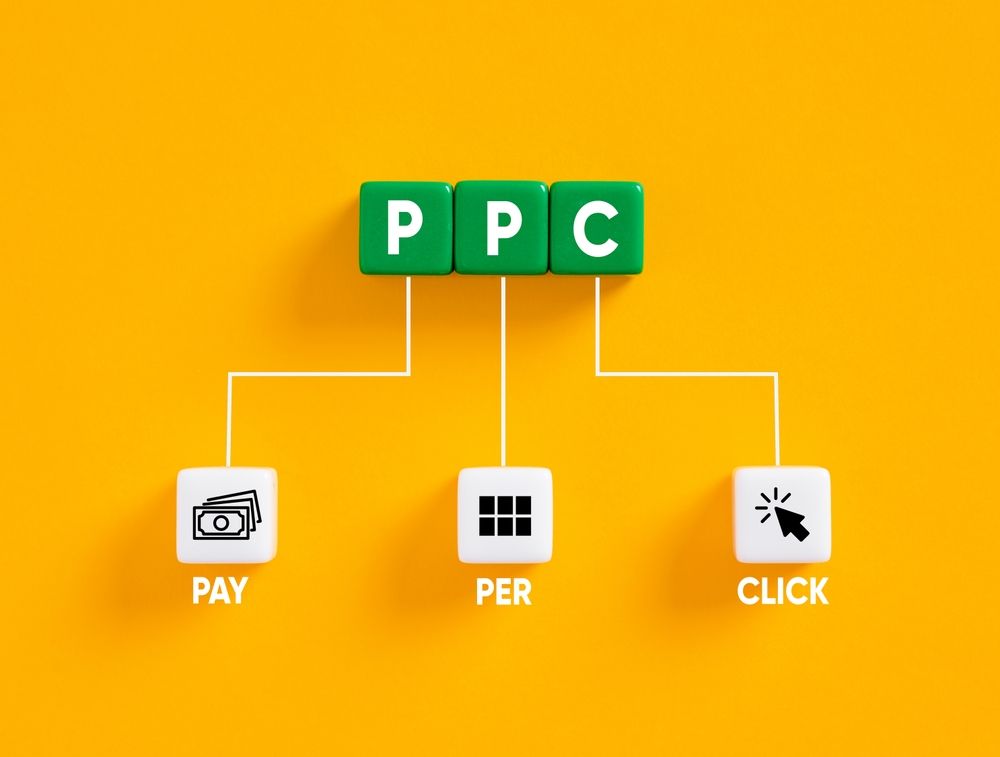
What Is Pay-Per-Click (PPC) Advertising?
Pay-Per-Click (PPC) advertising is a digital advertising model where advertisers pay a fee each time someone clicks on their ad, rather than paying a flat rate for placement. Essentially, you’re buying visits to your website (or app, landing page, etc.) instead of earning them organically.
How It Works
- Advertisers bid on keywords or audience targeting criteria relevant to their business.
- Ads are placed on search engines, social media platforms, or other websites.
- You pay only when a user actually clicks the ad, not just for it being shown (impressions).
- Ad ranking is typically determined by a mix of bid amount and “quality score” (relevance, expected click-through rate, landing page experience).
Common Platforms
- Search ads: Google Ads, Microsoft (Bing) Ads appear when users search specific keywords.
- Social media ads: Facebook/Instagram Ads, LinkedIn Ads, TikTok Ads targeted by demographics, interests, behaviour.
- Display/retargeting: Banner ads across a network of websites, often targeting people who already visited your site.
- E-commerce/marketplace ads: Amazon Ads, Google Shopping
Key Terms to Know
| Term | Meaning |
|---|---|
| CPC (Cost Per Click) | The amount paid per click |
| CTR (Click-Through Rate) | % of people who see the ad and click it |
| Quality Score | A rating of ad relevance/quality (Google Ads) |
| Conversion Rate | % of clicks that result in a desired action (sale, signup, etc.) |
| ROAS | Return on Ad Spend — revenue generated per dollar spent |
Why Businesses Use It
- Fast results — traffic starts immediately, unlike SEO, which takes time.
- Highly targeted — reach specific keywords, locations, demographics, interests.
- Measurable — clear data on spend, clicks, conversions, ROI.
- Budget control — set daily/monthly caps and adjust bids in real time.
Understanding PPC Advertising
Pay-Per-Click (PPC) Advertising is a way to advertise online where you only pay when someone clicks your ad, not just for showing it.
You pick keywords or an audience, create an ad, and set a budget. Your ad then shows on places like Google search results or social media, such as Facebook and Instagram. If no one clicks, you don’t pay anything.
It’s popular because results come fast, you can target the exact people you want, and you can track everything, including clicks, costs, and sales. Businesses use it to get quick traffic and leads without waiting for slow, organic growth.
How Pay-Per-Click (PPC) Works
You pick keywords related to your business and set a bid, the amount you’re willing to pay per click. You also set a daily or monthly budget.
When someone searches that keyword or fits your target audience, your ad becomes eligible to show. Platforms like Google use your bid plus an ad quality score to decide if and where your ad appears.
If a user clicks the ad, they land on your website, and only then do you pay. No click means no cost. You can track results and adjust bids or keywords anytime to get better performance.
Why Businesses Use Pay-Per-Click (PPC) Advertising
Businesses use PPC because it brings fast results. Unlike SEO, which takes months, PPC ads can start driving traffic within hours of launching a campaign.
It also allows precise targeting. Businesses can reach people by keyword, location, age, interests, or even device, so ads reach the right audience at the right time.
PPC is easy to measure too. You can see exactly how many clicks, visits, and sales your ads bring, and calculate your return on investment.
Plus, you control the budget completely, spending as little or as much as you want, and adjusting anytime.
Instant Visibility
PPC gives your ad instant visibility on search engines and social media. As soon as your campaign goes live, people can see your ad at the top of search results. You don’t have to wait months like with SEO. This makes PPC perfect for quick promotions, product launches, or seasonal sales.
Highly Targeted Audience
PPC lets you show ads to the exact people who matter. You can target by keywords, location, age, interests, or device. This means your ad reaches people who are actually interested in your product or service, saving money and increasing the chances of getting real customers instead of random visitors.
Measurable Results
Every click, view, and sale from PPC can be tracked. You know exactly how many people saw your ad, clicked it, and bought something. This clear data helps you understand what’s working and what’s not, so you can make smarter decisions and improve future campaigns easily.
Budget Control
With PPC, you decide how much to spend daily or monthly. There’s no fixed cost; you set limits based on your budget. If a campaign isn’t performing well, you can pause or adjust it anytime. This flexibility helps businesses of any size use PPC comfortably.
Faster Lead Generation
PPC helps businesses get leads quickly. Since ads appear to people actively searching for related products or services, they’re more likely to click and convert. This speeds up the process of turning interested visitors into potential customers, compared to slower organic methods like SEO.
Popular Pay-Per-Click (PPC) Advertising Platforms
Google Ads
Google Ads shows your ad when people search related keywords on Google. It’s one of the most popular PPC platforms because it reaches billions of users daily. Ads can appear at the top of search results, helping businesses attract people who are already looking for their products or services.
Microsoft Advertising
Microsoft Advertising, formerly Bing Ads, shows your ads on Bing, Yahoo, and other partner sites. It often has lower competition and cheaper clicks than Google Ads, making it a good option for businesses wanting more visibility at a lower cost.
Facebook Ads
Facebook Ads let you target people based on age, interests, location, and behaviour. Since billions of people use Facebook daily, businesses can show ads directly in users’ feeds, helping build brand awareness and drive traffic or sales from a highly engaged audience.
Instagram Ads
Instagram Ads work through Facebook’s ad system and are great for visual content like photos and videos. They appear in feeds, stories, and reels, making them popular for fashion, food, beauty, and lifestyle brands wanting to attract younger, visually driven audiences.
LinkedIn Ads
LinkedIn Ads are ideal for B2B businesses. You can target people by job title, industry, or company size. This makes it easier to reach professionals, decision-makers, and companies, making LinkedIn a strong platform for lead generation in the corporate world.
YouTube Ads
YouTube Ads appear before, during, or after videos. Since YouTube is the second-largest search engine, businesses use video ads to grab attention, tell their brand story, and reach a huge audience through engaging, skippable, or non-skippable video content formats.
Advantages of Pay-Per-Click (PPC) Advertising
- Quick Results
- Increased Website Traffic
- Better Brand Awareness
- Flexible Budget
- Detailed Performance Tracking
Disadvantages of Pay-Per-Click (PPC) Advertising
Can Become Expensive
PPC can get costly, especially in competitive industries where many businesses bid on the same keywords. Popular keywords can cost a lot per click, and without careful budget planning, expenses can add up fast. Small businesses need to manage bids wisely to avoid overspending while still getting good results from their campaigns.
Requires Continuous Optimisation
PPC campaigns don’t run well on autopilot. You need to regularly check performance, test different ads, adjust keywords, and remove ones that aren’t working. Without ongoing attention, budgets can be wasted on clicks that don’t lead to sales, making optimisation a constant, necessary task
Results Stop When Ads Stop
Unlike SEO, PPC traffic disappears the moment you stop paying. There’s no lasting presence once your budget runs out. This means businesses relying only on PPC must keep spending continuously to maintain visibility and traffic, unlike organic strategies that keep working over time.
Pay-Per-Click (PPC) vs Search Engine Optimisation (SEO)
Both PPC and SEO help drive traffic to your website, but they work in very different ways. Here’s a simple breakdown:
Key Differences
- Speed: PPC brings instant traffic, while SEO takes time (months) to show results
- Cost: PPC costs money per click, SEO is free but needs time and effort investment
- Longevity: PPC traffic stops when you stop paying; SEO traffic keeps coming even after you stop actively working on it
- Control: PPC gives you full control over targeting, budget, and ad placement; SEO depends on search engine algorithms
- Trust: Organic (SEO) results are often seen as more trustworthy by users than paid ads
- Best use: PPC works great for quick promotions or sales, SEO works best for long-term brand building
| Factor | PPC (Pay-Per-Click) | SEO (Search Engine Optimisation) |
|---|---|---|
| Speed of Results | Instant, traffic starts as soon as ads go live | Slow, takes weeks or months to rank |
| Cost | You pay for every click | Free traffic, but requires time/content investment |
| Traffic Duration | Stops once budget runs out | Continues even without ongoing spend |
| Targeting | Highly precise: keywords, location, age, device | Broader, based on content relevance and keywords |
| Trust Factor | Seen as an ad, sometimes less trusted | Seen as organic, generally more trusted |
| Maintenance | Needs constant monitoring and budget management | Needs regular content updates and SEO practices |
| Best For | Quick sales, promotions, product launches | Long-term growth, brand authority, consistent traffic |
| Scalability | Easy to scale up/down with budget changes | Takes longer to scale, depends on content and backlinks |
PPC is great for fast, short-term results, while SEO builds long-term, sustainable traffic. Many businesses use both together for the best outcome: quick wins from PPC while SEO grows in the background.
Q. What is Pay-Per-Click (PPC) advertising?
PPC means Pay-Per-Click advertising. It’s a way to promote your business online where you only pay when someone clicks your ad. You choose keywords, set a budget, and your ad shows on platforms like Google or Facebook. It helps bring quick traffic to your website without waiting for organic growth like SEO provides.
Q. Is Pay-Per-Click (PPC) better than SEO?
PPC isn’t necessarily better; it’s different. PPC gives fast results but costs money, while SEO is free but slower. PPC works great for quick promotions, while SEO builds long-term trust and traffic. Most businesses get the best results by using both together instead of choosing just one option.
Q. How much does Pay-Per-Click (PPC) advertising cost?
PPC cost depends on your industry, keywords, and competition. Some clicks cost just a few cents, while competitive keywords can cost several dollars each. You control your budget completely, setting daily or monthly limits, so you only spend what you’re comfortable with, no matter your business size.
Q. Which businesses should use Pay-Per-Click (PPC)?
Almost any business can use PPC, especially those wanting fast visibility, like e-commerce stores, local services, or new businesses. It’s great for time-sensitive offers, product launches, or generating leads quickly. Even small businesses benefit since budgets are flexible and can be adjusted anytime based on results and performance.
Q. Is Google Ads worth it?
Yes, Google Ads is often worth it for businesses wanting fast, targeted traffic. Since Google is the most used search engine, ads reach people actively searching for related products. With proper keyword selection and budget management, Google Ads can bring valuable leads and strong returns quickly.
