
Learn how to understand your target audience with practical tips to improve marketing, create better content, and attract the right customers.
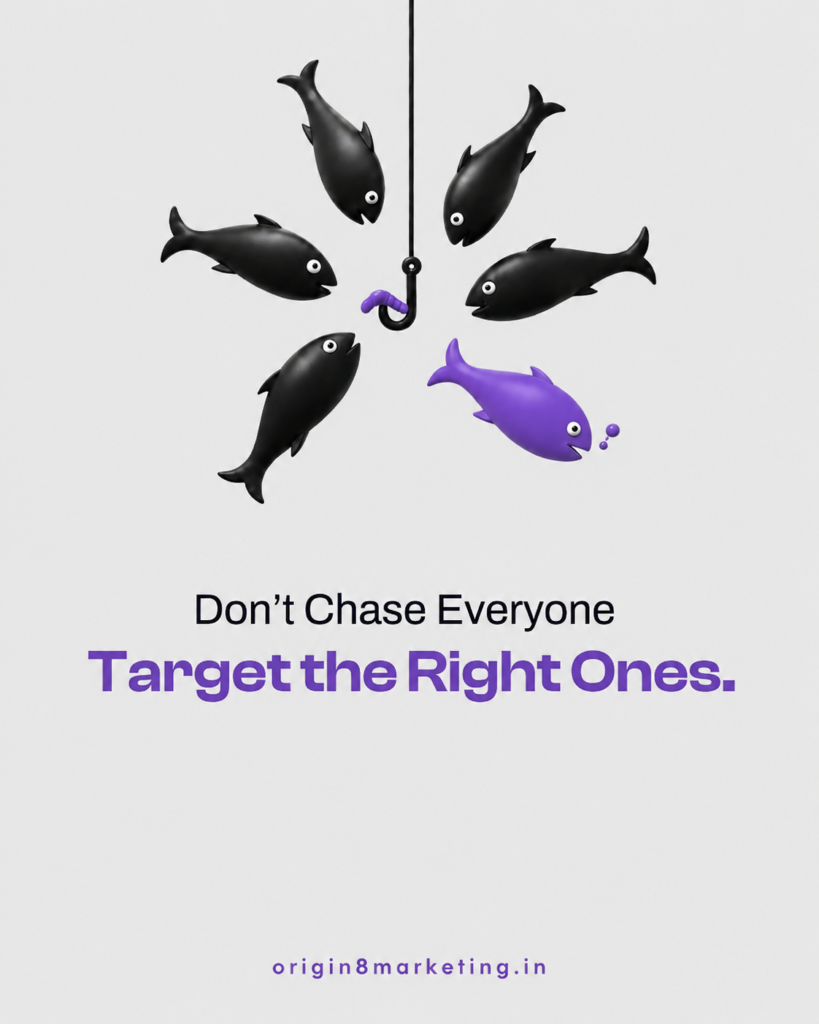
What Is a Target Audience?
A target audience is the specific group of people a business wants to reach with its product, service, or message. These are the people most likely to be interested in what you’re offering and most likely to buy it.
A target audience is usually defined by things like age, location, gender, income, interests, or needs. For example, a toy company’s target audience might be parents with young kids.
Knowing your perfect audience helps you create better ads, write clearer messages, and choose the right platforms to reach people. Simply put, it means knowing exactly who you’re talking to.
How to Understand Your Target Audience?
Knowing your target audience is the foundation of every successful marketing strategy. Without a clear picture of your target audience, even the best products or campaigns can fall flat.
Start with data: Analyse demographics like age, location, income, and occupation to build a baseline profile of your target audience.
Go deeper with psychographics: Understand your audience’s values, interests, lifestyle, and pain points. What motivates them? What challenges are they trying to solve?
Talk to real people: Surveys, interviews, and customer conversations reveal how your target audience actually thinks and speaks, insights data alone can’t provide.
Study their behaviour: Track where your audience spends time online, what content they engage with, and what drives their purchase decisions.
Analyse competitors: See which audience your competitors attract and how those people respond, since this often reveals gaps you can fill.
Build audience personas: Turn your research into semi-fictional profiles representing segments of your target audience, complete with goals, frustrations, and preferred channels.
Keep listening: Your targeted audience evolves, so revisit your research regularly through feedback, reviews, and engagement trends.
Why Understanding Your Target Audience Matters
Better Marketing Campaigns
Knowing your audience helps you create ads and content that speak directly to their needs. This makes your campaigns more effective, since people respond better to messages that feel personal and relevant to them.
Higher Customer Engagement
When people feel understood, they interact more with your brand. They like, comment, share, and spend more time engaging with your content.
Improved Sales and Conversions
Targeted messages reach the right people at the right time, making them more likely to buy. This leads to higher conversions and better returns.
Stronger Brand Loyalty
Customers stay loyal to brands that truly understand their needs, leading to repeat purchases and long-term trust.
10 Basic Steps to Understand Your Target Audience
1. Identify Your Ideal Customer
Think about the person who needs your product the most and benefits from it the most. Ask yourself what problem you solve for them and why they would choose you over others.
2. Study Customer Demographics
Look at basic details like age, gender, location, income, and education. This helps you understand who your customers are on the surface and where to find more people like them.
3. Understand Customer Interests
Find out their hobbies, likes, and lifestyle choices. Knowing what excites them helps you create content and products that catch their attention.
4. Analyse Customer Behaviour
Study how customers shop, what they click on, and how they make decisions. This shows you what steps lead them from just looking to actually buying.
5. Research Your Competitors
Check who your competitors are targeting and how people respond to them. This can reveal gaps you can fill or mistakes you can avoid.
6. Create Buyer Personas
Build detailed profiles of your ideal customers, including their goals, problems, and habits. Personas make it easier to plan marketing that feels personal.
7. Collect Customer Feedback
Ask your customers directly what they like, dislike, and need. Feedback through reviews, surveys, or messages gives you honest insights straight from the source.
8. Use Website and Social Media Analytics
Track data like page visits, clicks, and engagement on your platforms. Analytics show real patterns in how people interact with your business.
9. Test and Improve Your Strategy
Try different messages, offers, or designs to see what works best. Testing helps you fine-tune your approach based on real results, not guesses.
10. Keep Updating Your Audience Research
Customer needs and trends change over time, so revisit your research regularly. Staying updated keeps your marketing relevant and effective.
Why Every Business Needs One
Every business needs a target audience because it helps you focus your time, money, and effort on the right people. Without one, you end up trying to reach everyone, which usually means reaching no one effectively.
A clear target audience helps you create better products, write messages that connect, and choose the right marketing channels. It also saves money, since ads and content are aimed only at people who are actually interested.
Businesses with a defined target audience grow faster because their customers feel understood. In short, knowing your target audience makes marketing easier, cheaper, and more successful.
Common Mistakes Businesses Make
- Targeting everyone
- Ignoring customer feedback
- Not updating audience research
- Focusing only on age and gender
- Copying competitors without research
Q. What is a target audience?
A target audience is the specific group of people a business aims to reach with its products, services, or marketing messages. This group is usually defined by shared characteristics such as age, gender, location, income, interests, or needs. Businesses identify their target audience to create messages, products, and campaigns that speak directly to the people most likely to buy from them.
Q. Why is understanding your target audience important?
Understanding your target audience helps you create marketing messages, products, and campaigns that truly connect with people. It saves time and money by focusing your efforts only on those most likely to buy, leading to better engagement, higher sales, and stronger customer loyalty.
Q. How do I identify my target audience?
You can identify your target audience by studying demographics like age, location, and income, along with interests, behavior, and buying patterns. Surveys, customer feedback, website analytics, and competitor research also help reveal who your ideal customers really are.
Q. What is a buyer persona?
A buyer persona is a semi-fictional profile that represents your ideal customer, based on real data and research. It usually includes details like age, goals, challenges, interests, and buying habits, helping businesses understand and market to that customer more effectively.
Q. Can a target audience change over time?
Yes, a target audience can change as trends, customer needs, and markets evolve. Businesses should regularly review and update their audience research to stay relevant and continue reaching the right people effectively.
Read More blogs at origin8marketing.
