
Influencer marketing is transforming how brands connect with audiences. Learn what it means and explore 10 smart strategies to grow your brand effectively.
What Is Influencer Marketing?
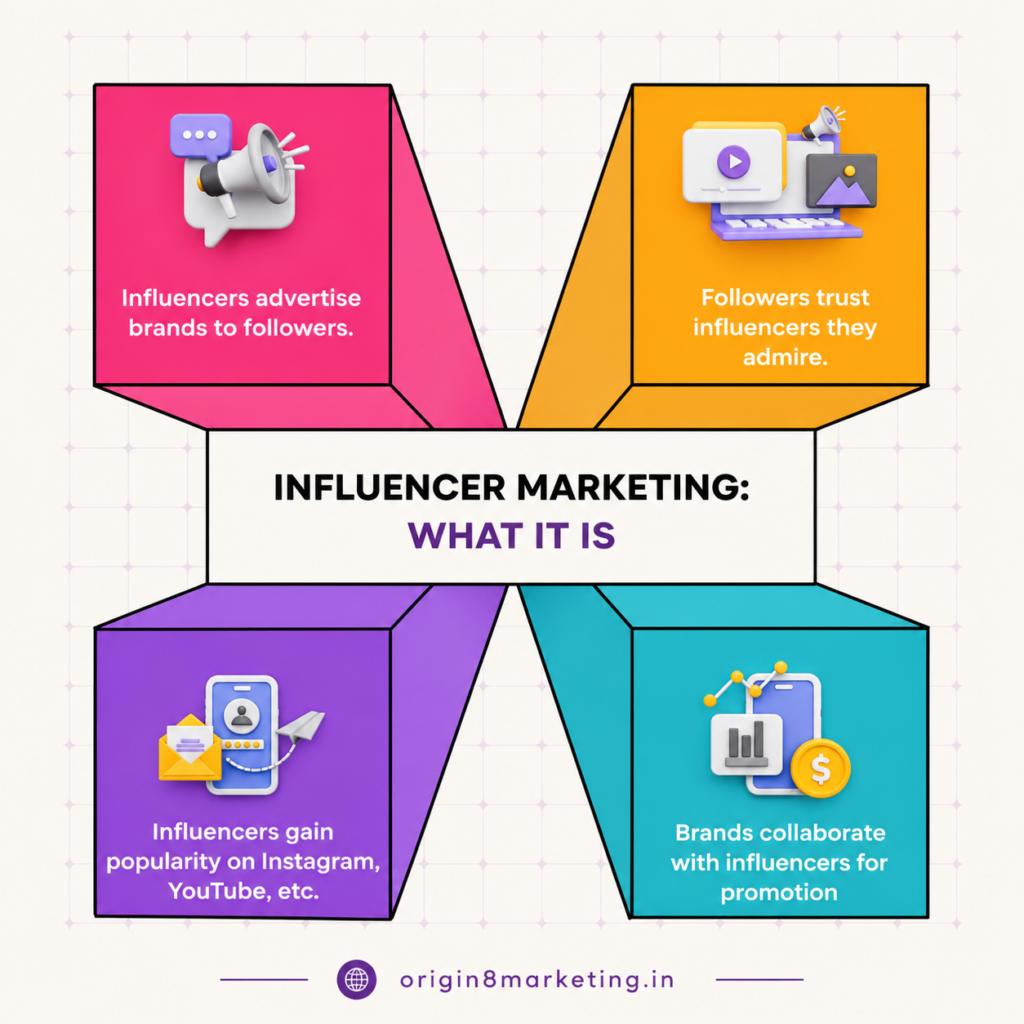
Influencer marketing is a form of marketing where brands partner with individuals who have an engaged online following on platforms like Instagram, YouTube, TikTok, or blogs to promote products or services. Instead of advertising directly to a mass audience, brands leverage the influencer’s credibility, expertise, and relationship with their followers to reach potential customers in a more authentic, trusted way.
Influencers range from mega-influencers (celebrities with millions of followers) to micro and nano-influencers (smaller, niche audiences with high engagement). Brands often choose influencers based on relevance to their industry, audience demographics, and engagement rates rather than just follower count.
Common formats include sponsored posts, product reviews, unboxing videos, tutorials, giveaways, and affiliate links. The goal is typically to boost brand awareness, drive traffic, generate leads, or increase sales.
Because it feels more personal than traditional ads, influencer marketing often builds stronger trust and higher conversion rates, making it a key strategy in modern digital marketing, especially for reaching younger, social-media-savvy consumers.
How Influencer Marketing Works
Brands identify influencers whose audience matches their target market, then collaborate on content that promotes their product or service. The influencer creates authentic posts, videos, or reviews for their followers. This partnership relies on trust, since audiences value influencer opinions more than direct ads, driving awareness, engagement, and sales.
- Identify Goals & Audience: Brands define campaign objectives and target demographics
- Find the Right Influencer: Choose based on niche, engagement, and follower relevance
- Negotiate & Collaborate: Agree on content type, deliverables, and compensation
- Content Creation & Promotion: Influencer creates and shares authentic branded content
- Track Performance: Measure reach, engagement, and conversions to assess ROI
4M’s of Influencer Marketing
1. Make
This means connecting with the right influencers and understanding your customer’s journey, from first noticing your brand to actually buying it.
2. Manage
Once you find the right influencers, you guide the relationship, deciding on messaging, style, and content that fits your brand’s goals.
3. Monitor
Keep track of conversations, engagement, and how your audience is responding to the influencer’s content in real time.
4. Measure
Analyse the results, engagement rate, reach, conversions, and ROI to see how well the campaign performed and what to improve next time.
Why Influencer Marketing Is Important
Builds Brand Trust
When a trusted influencer talks about a product, their followers believe it more than a regular ad. People feel it’s a real opinion, not just a sales pitch. This honest connection makes the audience trust the brand faster and feel confident trying it out.
Reaches the Right Audience
Influencers already have followers who match a brand’s target audience, like beauty lovers, gamers, or fitness fans. So brands don’t waste time reaching random people. They connect directly with users who are genuinely interested in that niche, making marketing more accurate and effective.
Increases Brand Awareness
When an influencer shares a brand’s product, thousands or even millions of people see it instantly. This helps the brand become more recognisable. Even if people don’t buy right away, they remember the name, which builds visibility and familiarity over time.
Drives Sales and Leads
Influencer recommendations often push followers to take action, like visiting a website, using a discount code, or buying a product. Because the suggestion feels personal, people are more likely to convert, helping brands generate real leads and boost overall sales quickly.
Types of Influencers
1. Nano Influencers
These are everyday people with a small but loyal following, usually 1,000 to 10,000 fans. They feel like a friend, so people trust their opinions a lot. Brands like them because they’re affordable and have very high engagement with real, genuine followers.
2. Micro Influencers
Micro-influencers have around 10,000 to 100,000 followers and are often focused on one niche, like food or fitness. They mix relatability with a bit of fame. Their audience is loyal and engaged, making them great for brands wanting authentic promotion without spending too much money.
3. Macro Influencers
Macro influencers have a bigger reach, usually 100,000 to 1 million followers. They’re often bloggers, YouTubers, or semi-celebrities. Brands use them to boost visibility fast, reaching a wide audience while still keeping some level of personal connection with followers.
4. Mega Influencers
Mega influencers are the biggest stars, celebrities, or online icons with over 1 million followers. They offer massive reach and attention. Brands use them for big campaigns, though the cost is high and the connection with fans is less personal.
10 Benefits of Influencer Marketing
1. Improves Brand Visibility
More people see and remember your brand when influencers talk about it.
2. Builds Customer Trust
People trust real influencer opinions more than regular ads.
3. Increases Website Traffic
Influencer links and posts bring more visitors to your website.
4. Generates Quality Leads
Interested followers turn into potential customers for your brand.
5. Creates Authentic Content
Influencers make real, relatable content that feels natural, not forced.
6. Boosts Social Media Engagement
Likes, comments, and shares increase when influencers promote your brand.
7. Supports Product Launches
Influencers help new products get noticed quickly and easily.
8. Improves Brand Reputation
Positive influencer reviews make your brand look more trustworthy.
9. Offers Better ROI
You often get more results for less money compared to ads.
10. Strengthens Long-Term Relationships
Working with influencers again builds loyalty and lasting brand connections.
Common Influencer Marketing Mistakes
- Choosing influencers based only on followers
- Ignoring engagement rates
- Not defining campaign goals
- Focusing only on sales
- Not tracking campaign performance
Influencer Marketing vs. Affiliate Marketing
| Aspect | Influencer Marketing | Affiliate Marketing |
|---|---|---|
| Main Goal | Build brand awareness and trust | Drive direct sales through tracked links |
| Payment Model | Fixed fee, free products, or per-post payment | Commission-based, paid per sale/click |
| Focus | Relationship and audience connection | Performance and conversions |
| Who’s Involved | Social media personalities with a real following | Bloggers, marketers, website owners, anyone with a link |
| Content Style | Photos, videos, stories, personal recommendations | Product links, banners, reviews with tracking codes |
| Payment Timing | Paid upfront, regardless of results | Paid only when a sale or action happens |
| Relationship | Personal and audience-trust based | Often transactional, less personal |
| Tracking | Uses engagement metrics like likes, views, comments | Uses affiliate links, coupon codes, or IDs |
| Best For | Boosting brand image and reach | Boosting sales and measurable ROI |
| Audience Trust | Higher, feels more genuine and authentic | Lower, seen as promotional |
What is influencer marketing?
It’s a marketing method where brands team up with popular social media users, called influencers, to promote their products or services. These influencers already have loyal followers who trust their opinions, so their recommendations feel more genuine and personal compared to traditional advertisements.
Is influencer marketing effective?
Yes, it’s very effective because people trust real recommendations from someone they follow more than they trust regular ads. This trust leads to higher engagement, better brand recall, and more conversions, especially when the influencer’s audience closely matches the brand’s target customers.
How much does influencer marketing cost?
The cost depends on the influencer’s size and reach. Nano influencers may charge very little or accept free products, while micro and macro influencers charge more based on followers. Mega influencers and celebrities can cost thousands of dollars for a single sponsored post.
Can small businesses use influencer marketing?
Absolutely, small businesses can benefit a lot by partnering with nano or micro influencers. These influencers are budget-friendly, have highly engaged audiences, and often create authentic content that helps small brands build trust and visibility without spending huge marketing budgets.
How do I find the right influencer?
Start by identifying your target audience and campaign goals. Then look for influencers whose niche, values, and follower demographics align with your brand. Checking their engagement rate, content quality, and past collaborations also helps ensure a good, effective partnership.

Pingback: What Is Affiliate Marketing? | Origin8Marketing